
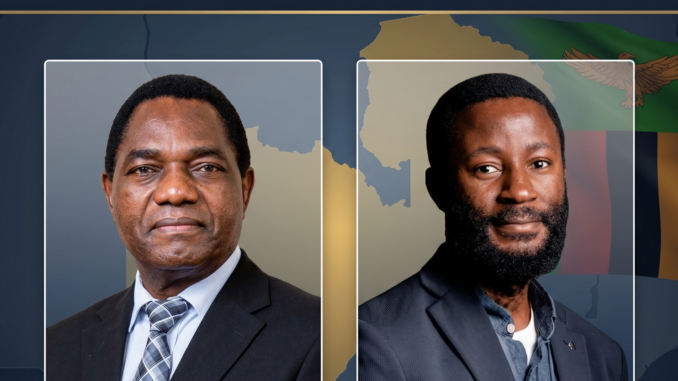


Zambia has abruptly called off RightsCon 2026, widely regarded as the world’s largest gathering focused on digital-era human rights, just days before it was set to begin. Officials cited concerns over certain “invited speakers” and “thematic issues,” but critics argue the decision reflects a deeper unease within President Hakainde Hichilema’s administration ahead of upcoming elections.
Fear and Power: Hichilema’s Shifting Political Identity
By Sishuwa Sishuwa (Rewritten)
A growing sense of political anxiety appears to be shaping President Hakainde Hichilema’s recent actions. With elections on the horizon, concerns about declining public support and unmet campaign promises seem to be influencing decisions that many observers describe as increasingly defensive—and at times, authoritarian.
When Hichilema rose to power in August 2021, he was widely seen as a reformist figure. After years of economic decline, corruption scandals, and democratic backsliding under former president Edgar Lungu, voters placed their hopes in a leader who promised transparency, accountability, and economic recovery.
However, the trajectory since then has sparked widespread debate. While early steps—such as repealing laws on defamation of the president—were welcomed, critics say these gains have been overshadowed by the use of other legal mechanisms to detain opponents, journalists, and dissenting voices under charges like sedition, cybercrime, and unlawful assembly.
Governance Under Pressure
Observers point to a widening gap between campaign promises and current realities. Economic challenges persist, corruption allegations continue to surface, and social divisions appear to be deepening. For critics, this marks a troubling shift from reformist leadership to a more centralized and controlling style of governance.At the heart of this transformation, many argue, lies a fundamental fear—the fear of losing political power and the privileges tied to it. This sentiment echoes a well-known idea expressed by Aung San Suu Kyi: that it is not power itself, but the fear of losing it, that drives leaders toward repressive behavior.
Constitutional Changes and Political Control
One of the most contentious areas is the proposed restructuring of Zambia’s constitutional framework. Plans reportedly include increasing the number of parliamentary constituencies and expanding presidential powers to appoint members of parliament.
Critics argue these moves could tilt the political playing field in favor of the ruling party, especially when combined with recent appointments to key institutions such as the Electoral Commission and Constitutional Court. Supporters, however, frame these changes as necessary reforms.
The broader concern remains clear: if electoral systems, judicial oversight, and legislative balance are all influenced by the executive, the integrity of democratic competition may be at risk.
Digital Freedom Under Strain
Another major flashpoint is the tightening grip on digital communication. Previously a strong advocate for online freedom of expression, Hichilema has taken a markedly different stance in office.
New cyber laws—expanding on earlier legislation—grant authorities wide-ranging powers to monitor digital communications and prosecute offenses tied to broadly defined “critical information.” Critics warn that vague definitions and harsh penalties could discourage open discourse and encourage self-censorship among citizens.
What was once described as a tool for protecting democracy is now viewed by many as a mechanism for controlling dissent.
A Broader Legislative Shift
Beyond cyber laws, several proposed bills are raising concerns among civil society groups. These include measures aimed at regulating journalists, tightening control over broadcast media, restricting public gatherings, and increasing oversight of non-governmental organizations.
Taken together, these developments suggest a broader pattern: the gradual consolidation of authority through legal and institutional frameworks.
Legitimacy vs Authority
A central issue emerging from this situation is legitimacy. Political authority, particularly in democratic systems, depends not only on legal power but also on public trust. Laws perceived as unjust or overly restrictive risk eroding that trust, even if they are enforced.
History has shown that when citizens lose faith in democratic institutions, the consequences can extend beyond politics, increasing the risk of instability and unrest.
Conclusion: A Defining Moment for Zambia
President Hichilema’s leadership now stands at a critical crossroads. The choices made in the lead-up to the next election will likely shape not only his political future but also the direction of Zambia’s democracy.
For many citizens, the key question is no longer what leaders promise—but what they ultimately deliver.
Leave a Reply